
Correct product, correct surface preparation, correct DFT, manufacturer TDS conditions, and measured quality control.
Applicable systems
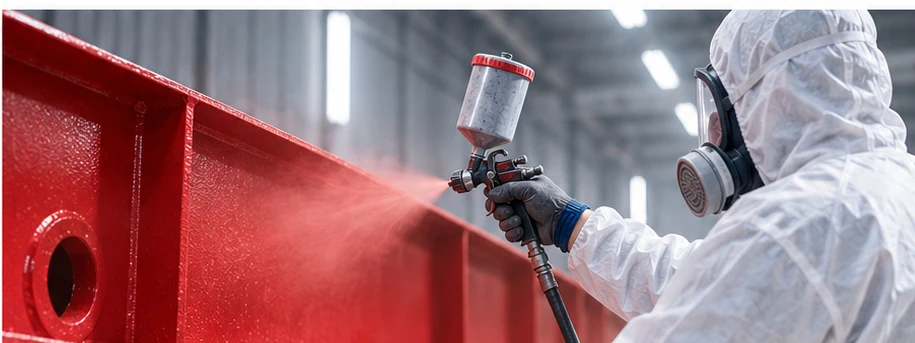
Paint selection is made according to the service environment, corrosion level, chemical and mechanical loads, UV exposure, and project specification.
- 01 Alkyd-based
- Economical, easy to apply, and air-drying systems. Used in general industry and low or medium corrosive atmospheres.
- 02 Epoxy-based
- High adhesion, mechanical and chemical resistance. Common primer and intermediate coat solution for steel structures, machinery, and industrial equipment.
- 03 Zinc-based
- Zinc-rich primers contribute to cathodic protection on steel surfaces. They are a fundamental primer option in heavy-duty systems.
- 04 Aluminum pigmented
- With barrier and reflective properties, used in special atmospheric and temperature applications depending on the selected resin system.
- 05 Polyurethane
- Topcoat option with strong UV, color, and gloss resistance. Preferred in outdoor applications and where high visual quality is required.
- 06 Special systems
- Different resin and pigment systems, multi-layer combinations specific to the project, according to customer specifications and paint manufacturer approval.
Application controls
Control is performed in six stages. Application does not start if climatic conditions are not suitable, and the next coat is not applied before the coat DFT is approved.
| Order | Stage | Items Controlled |
|---|---|---|
| 01 | Climate | Air and surface temperature, relative humidity, dew point |
| 02 | Mixing | Batch, mixing ratio, pot life, thinning |
| 03 | Application | Airless parameters, stripe coat, WFT |
| 04 | Coat control | Recoat interval, surface cleanliness, DFT |
| 05 | Curing | Time and temperature according to TDS specifications |
| 06 | Final | Color, surface, total DFT, and contractual tests |
Stripe coat is applied to edges, welds, bolts, holes, and hard-to-reach areas according to specifications. Reference ISO 12944-7.
Drying and dispatch
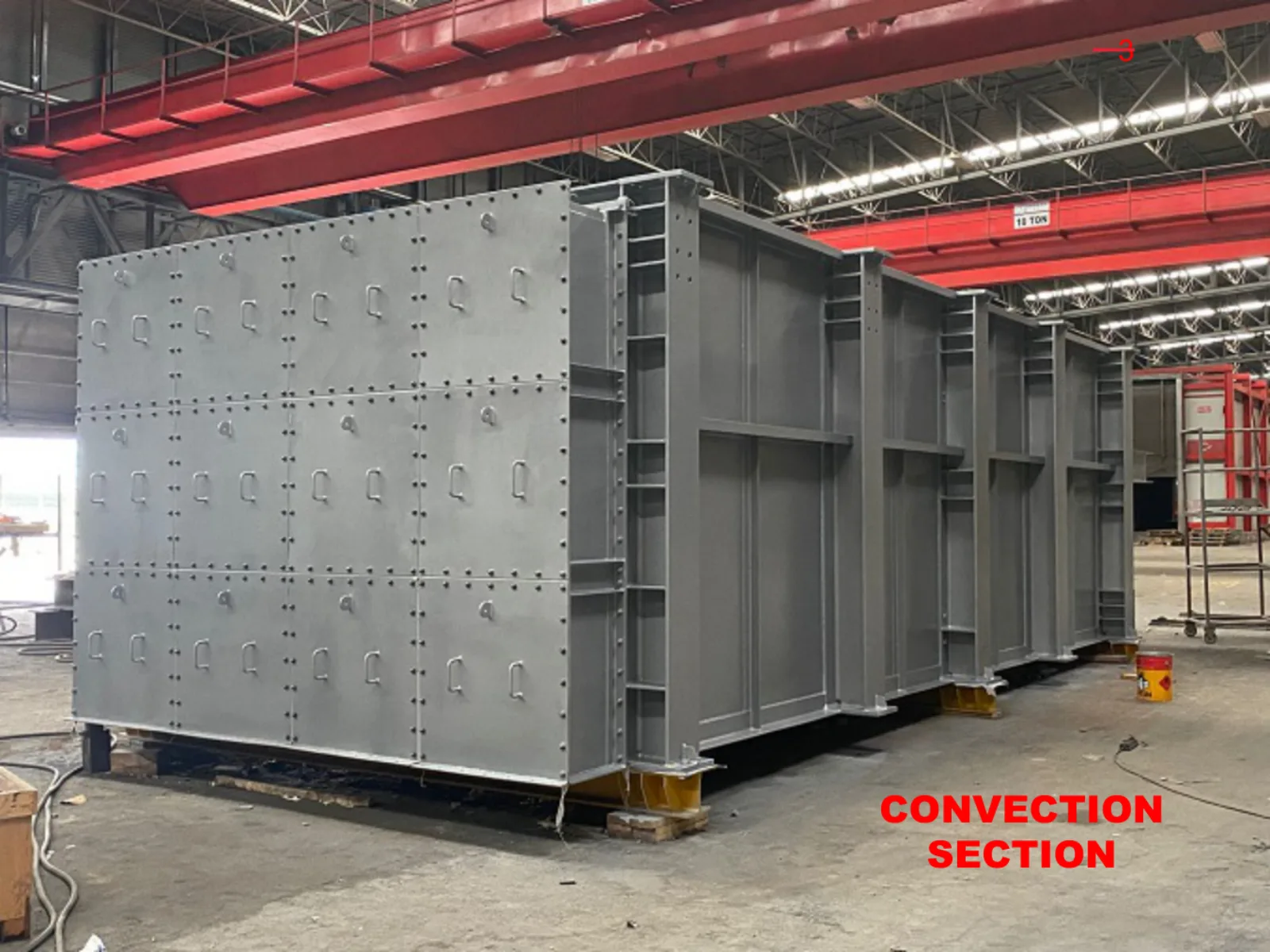
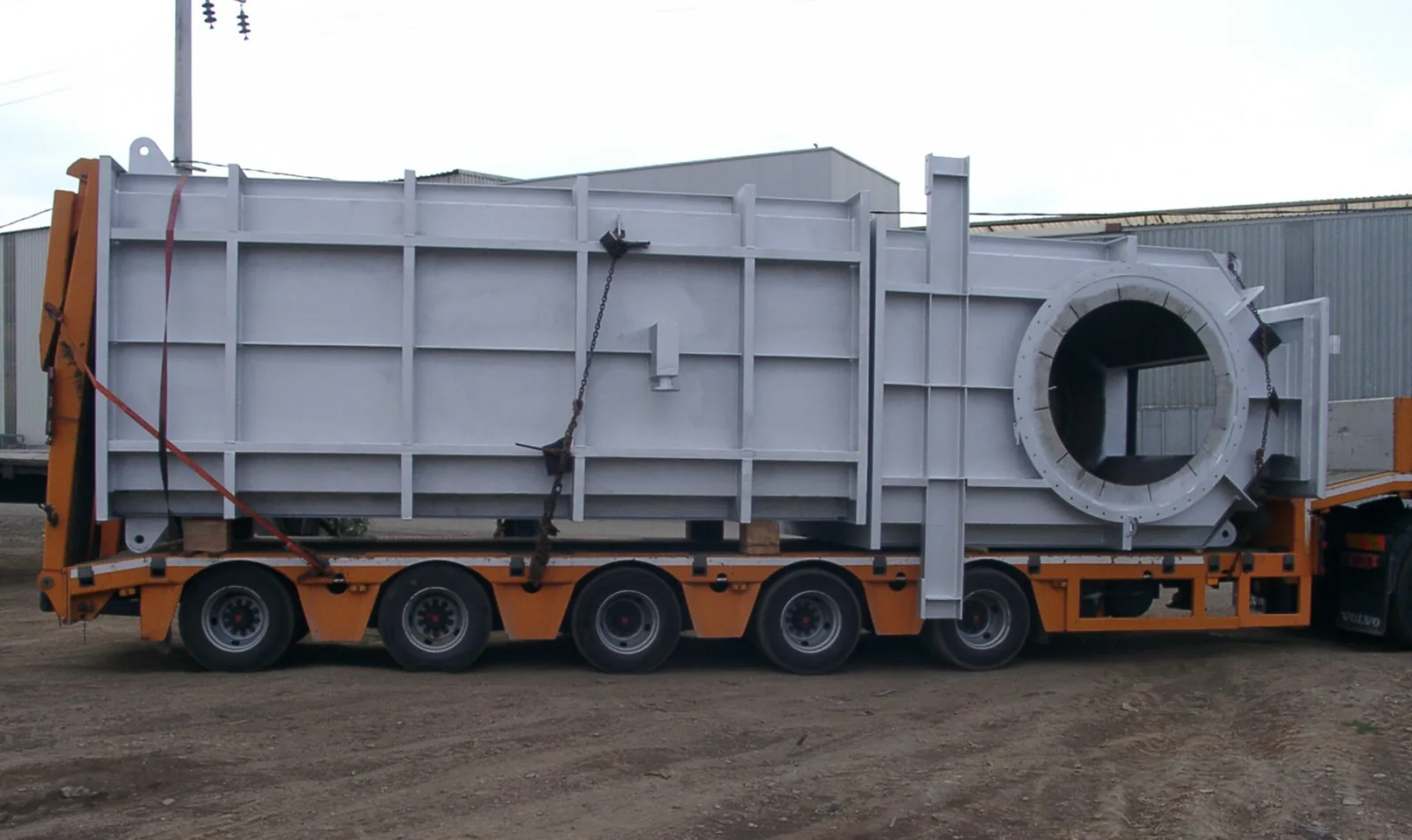
Paint application and dispatch are carried out in the same area. Parts are not loaded before complete drying is achieved.
- 5,000 m² drying and packaging area with cranes and concrete floor
- Blocking, surface protection, and strapping after complete drying
- Two separate weighbridges and vehicle access along the halls
Frequently asked questions
The most frequently asked questions during the quotation phase. If you cannot find what you are looking for, you can write directly.
Alkyd-based, epoxy-based, zinc-based, aluminum-pigmented, polyurethane, and special resin systems according to customer specifications are applied. The selection is made according to the service environment, corrosion level, chemical and mechanical loads, UV exposure, and project specifications.
Both are possible. Whether the paint supply is made by BER-GRİT or by the customer is clarified within the commercial scope. For customer supply, the product, batch, shelf life, and TDS/SDS documents are recorded during incoming inspection.
Wet film thickness is measured during application, while dry film thickness is measured on a coat-by-coat basis. ISO 2808 is used for the measurement method, and ISO 19840 is used for acceptance assessment in steel structures. If specified, SSPC-PA 2 measurement frequency is applied. All values are recorded in the WFT/DFT report.
A separate stripe coat is applied to edges, welds, bolts, holes, and hard-to-reach areas according to specifications, as coating thickness is naturally thinner in these zones. Corrosion often starts from these critical details; the stripe coat seals the weak link of the system.
Recoat time is defined in the paint manufacturer's technical data sheet and varies with temperature and relative humidity. Climate conditions are verified before each coat; the next coat is not applied until the coat DFT value is approved.
Curing is completed according to the time and temperature conditions in the manufacturer's technical data sheet. Parts are not loaded before full drying is complete. Blocking, surface protection, and spansetting are performed before shipment; a 5,000 m² crane area is used for this waiting period.
Evaluate your project with our technical team
Once the part information, desired surface preparation, and paint system are clarified, the quote is prepared in one step. You can directly attach your specification file if available.
- Specification and drawing file can be attached
- Unknown technical fields can be left blank
- A reference number will be provided after submission