
| Sector | Typical parts | Frequently requested |
|---|---|---|
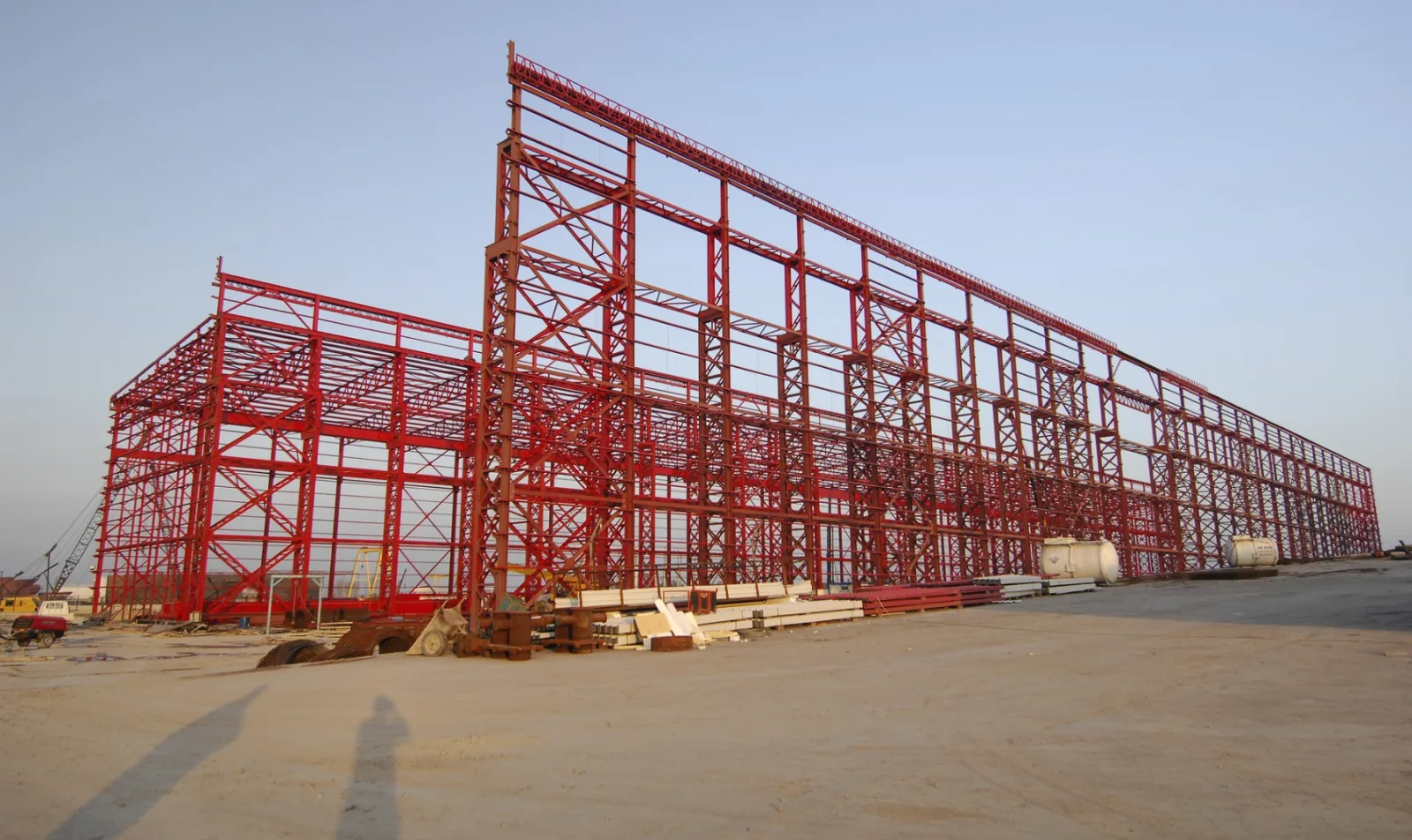
| Steel Construction | Columns, beams, trusses, platforms and welded assemblies | Sa 2½, C3 or C4 system |
| Machinery and Equipment | Machine frames, press and line bodies, conveyors and skids | Epoxy primer, polyurethane topcoat |
| Energy | Carrier steels, platforms, auxiliary equipment | C4 system, traceable record |
| Petrochemical and EPC | Modular steel, pipe support, skids and maintenance fabrications | C5 system, hold point plan |
| Tank and Silo | Body, accessory and exterior surface protective coatings | Large part booth, multi-layer system |
| Marine | Shipyard and offshore supply chain steel parts | C5 system, zinc-rich primer |
| Automotive and Heavy Vehicles | Industrial sub-assemblies, chassis, and auxiliary steels | Serial line, repeatable flow |
| General Heavy Industry | Custom fabrications and project-based large parts | Cabin route, project-specific system |
The "Frequently Requested" column shows typical applications, not a commitment. The final system is determined by the project specification and approved paint system.
-
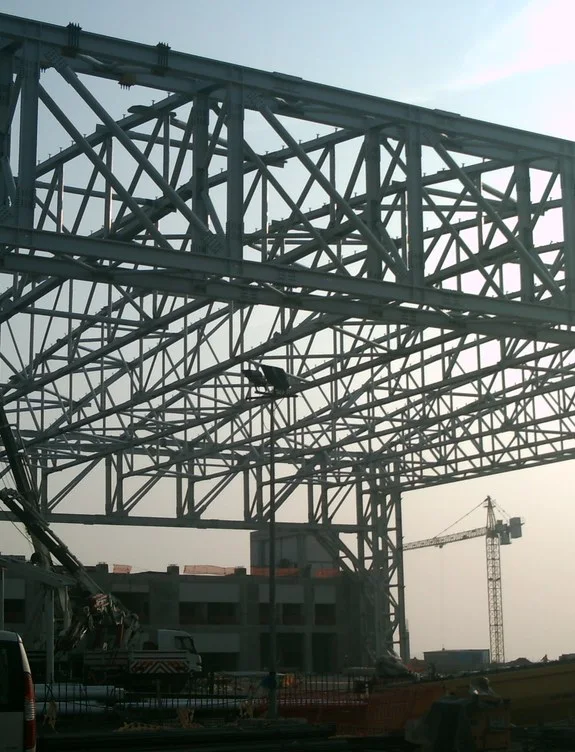
Steel Construction
Columns, beams, trusses, platforms, and welded assemblies.
Typical needs: Sa 2½ and C3 or C4 system.
Related service -
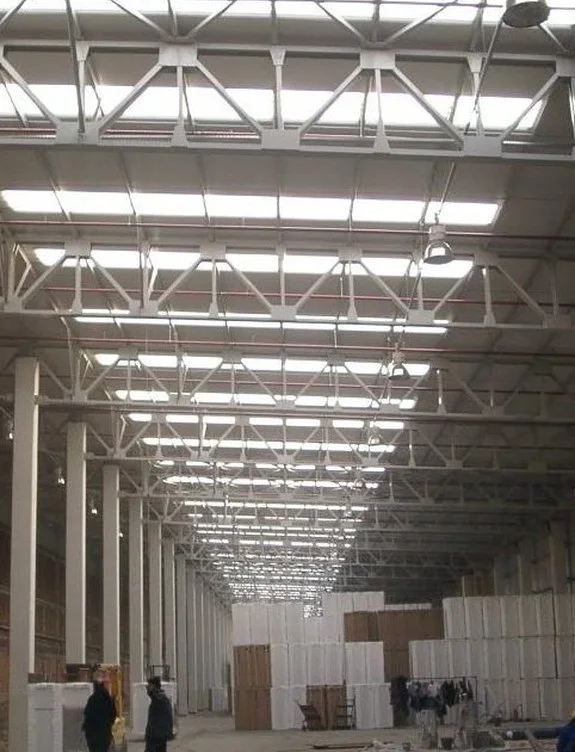
Machinery and Equipment
Machine chassis, press and line bodies, conveyors, and skids.
Typical needs: Epoxy primer, polyurethane topcoat.
Related service -
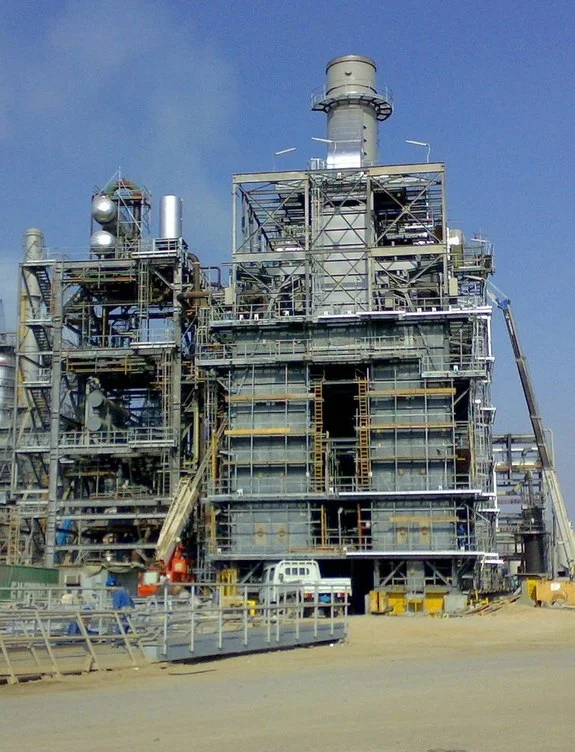
Energy
Support steels, platforms, and auxiliary equipment.
Typical needs: C4 system and traceable records.
Related service -
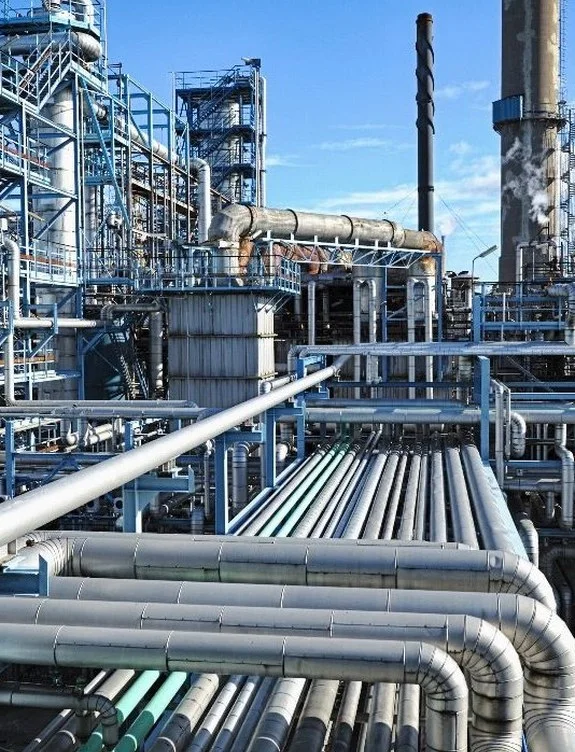
Petrochemical and EPC
Modular steel, pipe support, skid, and maintenance fabrications.
Typical needs: C5 system, ITP, and hold point plan.
Related service -
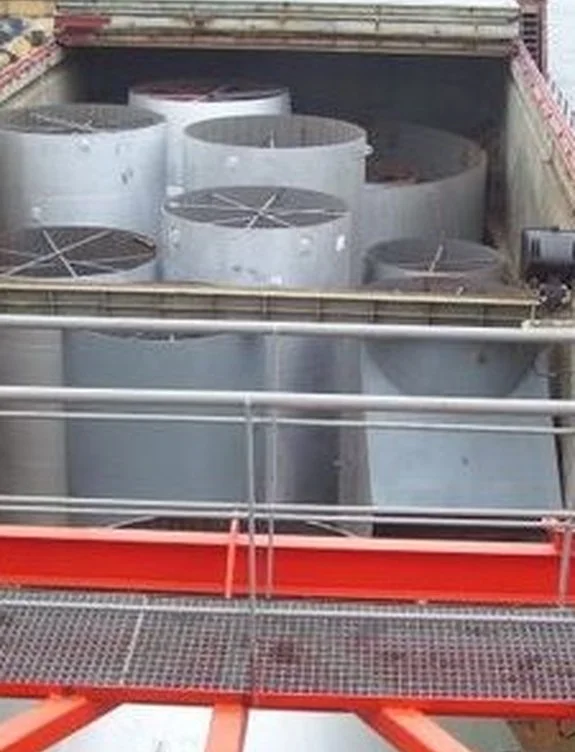
Tank and Silo
Body, accessory, and external surface protective coatings.
Typical needs: Large part processing and multi-layer system.
Related service -
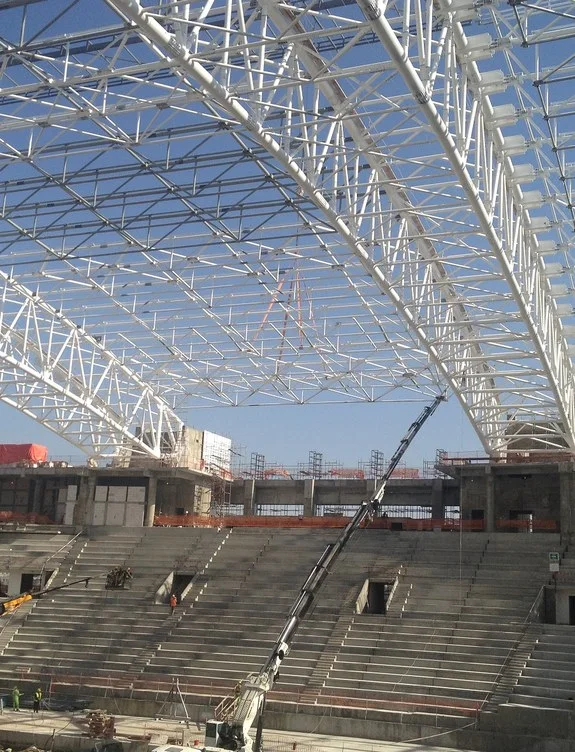
Marine
Ship, shipyard, and offshore supply chain steel parts.
Typical needs: C5 system and zinc-rich primer.
Related service -
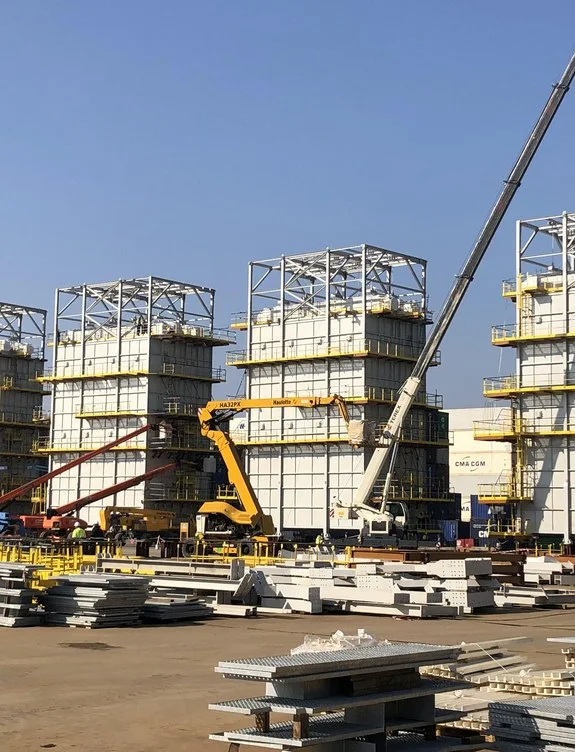
Automotive and Heavy Vehicle
Industrial sub-assemblies, chassis, and auxiliary steels.
Typical needs: Serial line and repeatable flow.
Related service -
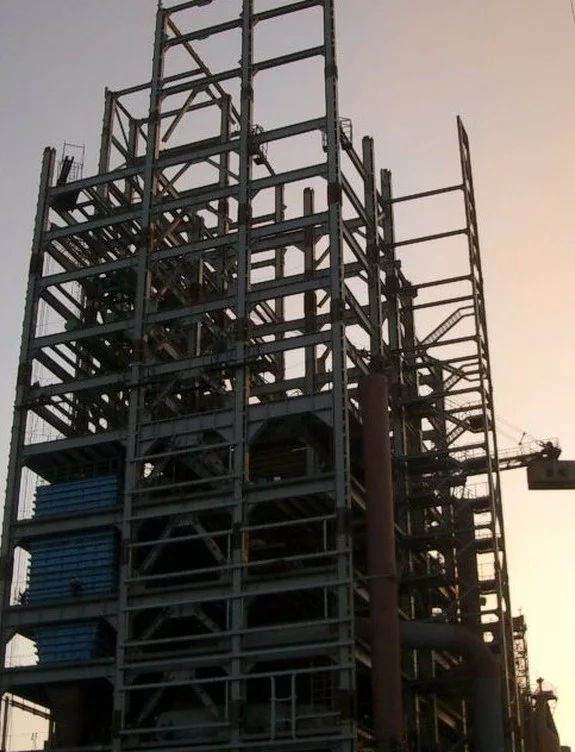
General Heavy Industry
Custom welded fabrications and project-based large parts.
Typical needs: Cabin route and project-specific system.
Related service
Typical needs are for general information; the final system is determined by the project specification and the approved coating system.
The part determines the route selection
It is not the sector that is decisive in route selection, but the geometry of the part and the level of protection required by the specification. A bridge beam and a machine chassis can be processed in the same cabin.
Get a Quote
Frequently asked questions
The most frequently asked questions during the quotation phase. If you cannot find what you are looking for, you can write directly.
Yes. The determining factor in route selection is not the sector, but the geometry, weight of the part, and the level of protection required by the specification. Suitability is evaluated when part information is provided.
Parts are separated by geometry, not by sector. Serial profiles and plates are processed on the automatic line, while heavy fabrications that do not fit the automatic line are routed to the cabin. Both routes operate with the same quality gates.
System recommendation is derived from the service environment, not the sector. A structure on the coast requires a different corrosivity category than a machine chassis to be operated in an indoor workshop. The recommendation is made according to specifications and exposure conditions.
Yes. Hold and witness points, measurement frequency, adhesion tests, and document requests such as MDR and CoC are planned according to the customer's ITP plan.
We proceed based on the part and specification, regardless of the sector
The geometry of the part and the level of protection required by the specification determine the route selection.
- Specification and drawing file can be attached
- Unknown technical fields can be left blank
- A reference number will be provided after submission