
C3/C4/C5 are not "paint brands" but atmospheric corrosivity categories. The final system is determined according to the project specification and the approved paint system.
Corrosivity categories
The environment in which the part will operate determines the system. The same steel requires different coatings in the coastal zone and in a closed workshop.
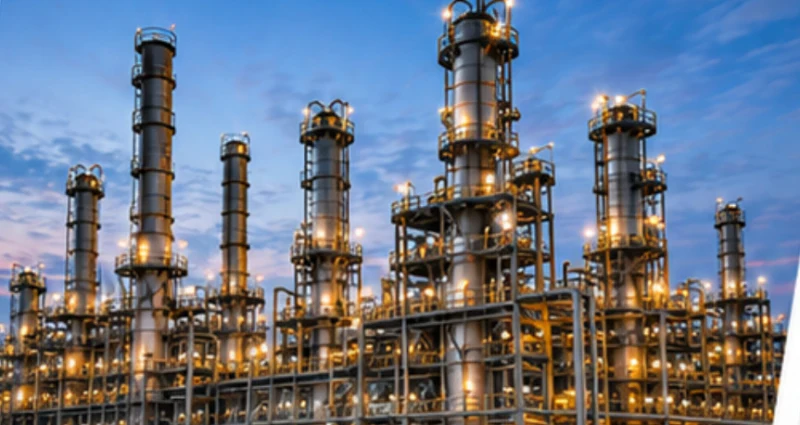
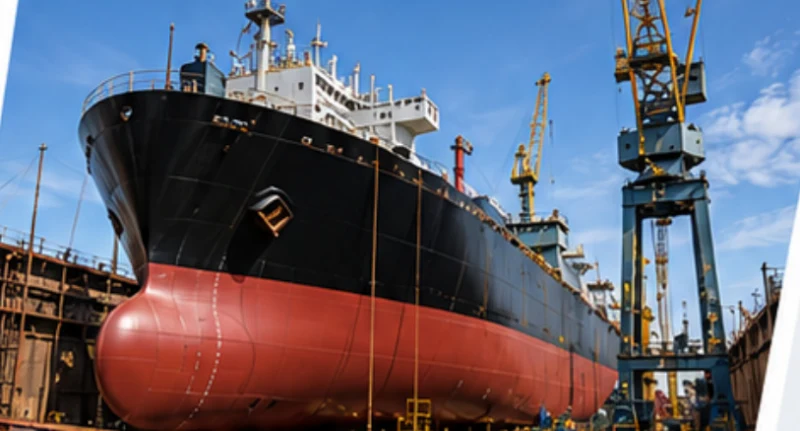
- C3 MEDIUM
-
Urban and light industrial atmospheres, moderate humidity and pollution.
Appropriate surface preparation, primer, intermediate, and topcoat system according to project specification, target DFT control.
- C4 HIGH
-
Industrial and coastal areas, high humidity and pollution.
Higher barrier performance, controlled film thicknesses, stripe coat on critical details, and traceable records.
- C5 VERY HIGH
-
Aggressive industrial and coastal atmospheres.
Project and manufacturer approved high-performance multi-layer system, strict surface, climate and DFT controls.
Protection chain
Each link in the chain relies on the previous one. If surface preparation is inadequate, even the most expensive paint system will not provide the expected lifespan.
-
01
Surface Cleanliness
Quality gate. Sa degree and dust control are recorded.
-
02
Correct Profile
Quality gate. Target roughness is compared against the paint manufacturer's specification.
-
03
Suitable Paint System
-
04
Controlled Application
-
05
Measurement and Report
Quality gate. Total DFT and final visual are accepted.
-
06
Long Service Life
Records are taken at marked stops and the next step is not taken without approval.
Five components that sustain the system
- 01 Correct Sa degree
- 02 Target surface profile
- 03 Compatible coating system
- 04 Total DFT control
- 05 Correct curing conditions
What provides corrosion protection
- Delays atmospheric corrosion and surface degradation.
- Contributes to extended maintenance and repainting intervals.
- Protects the service life, aesthetic appearance, and investment value of steel structures and equipment.
- Ensures performance in coastal, industrial, and highly corrosive environments with the correct system selection.
- Measured application and recording system ensures quality assurance and traceability.
System performance depends on surface preparation, paint system, DFT, environmental conditions, service environment, and maintenance plan.
Frequently asked questions
The most frequently asked questions during the quotation phase. If you cannot find what you are looking for, you can write directly.
These are atmospheric corrosivity categories within the scope of ISO 12944. C3 describes urban and light industrial atmospheres with moderate humidity and pollution; C4 describes industrial and coastal areas with high humidity and pollution; C5 describes aggressive industrial and coastal atmospheres. As the category increases, the expectation for barrier performance and coating thickness also increases.
No. C3, C4, and C5 are atmospheric corrosivity categories, not paint brands. The final system is determined according to the project specification and the approved paint system. Different manufacturers may have different coat combinations for the same category.
The category is determined by the environment in which the part will operate. The same steel requires different coatings on the coast and in a closed workshop. If the category is defined in your specification, we apply it directly; if not, we provide recommendations based on the service environment, target durability, and exposure conditions.
Five components work together: the correct Sa degree, the target surface profile, a compatible coat system, total DFT control, and correct curing conditions. If surface preparation is inadequate, even the most expensive paint system will not provide the expected lifespan.
It delays atmospheric corrosion and surface degradation, contributes to extending maintenance and repainting intervals, and preserves the structure's service life and investment value. The measured application and recording system also ensures quality assurance and traceability. Performance depends on surface preparation, paint system, DFT, environmental conditions, service environment, and maintenance plan.
Pull-off (ISO 4624 / ASTM D4541) and cross-cut (ISO 2409 / ASTM D3359) adhesion tests are performed when required by contract or ITP. Special checks such as holiday, gloss, and color are also planned according to project requirements. The scope of testing is clarified at the quotation stage; unnecessary tests increase costs.
Evaluate your project with our technical team
Once the part information, desired surface preparation, and paint system are clarified, the quote is prepared in one step. You can directly attach your specification file if available.
- Specification and drawing file can be attached
- Unknown technical fields can be left blank
- A reference number will be provided after submission