Skip to content
BER-GRİT

Painting

Airless wet paint systems suitable for project specifications, working environment, and targeted service life are applied to steel surfaces prepared by blasting.

Applicable systems

Paint selection is made according to the service environment, corrosion level, chemical and mechanical loads, UV exposure, and project specifications.

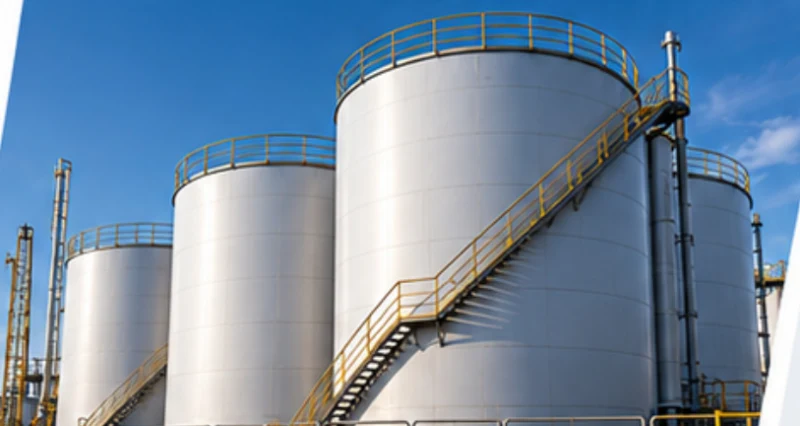
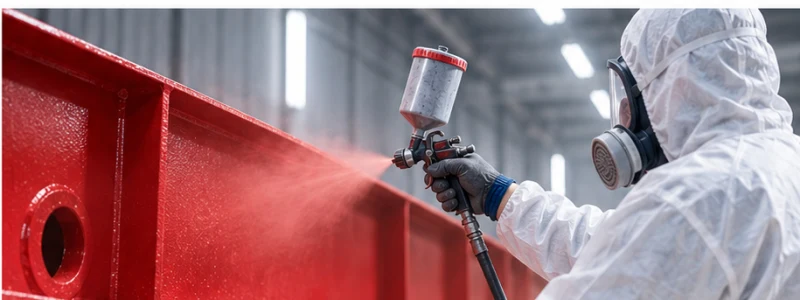
A snapshot of industrial painting application.

Industrial painting

Industrial paint systems including epoxy, alkyd, zinc-rich, aluminum-pigmented, and polyurethane-based paints can be applied at the facility.

  • Primer, intermediate coat, and topcoat by airless spraying
  • Application under controlled climatic conditions
  • Each coat is recorded separately
Industrial wet painting
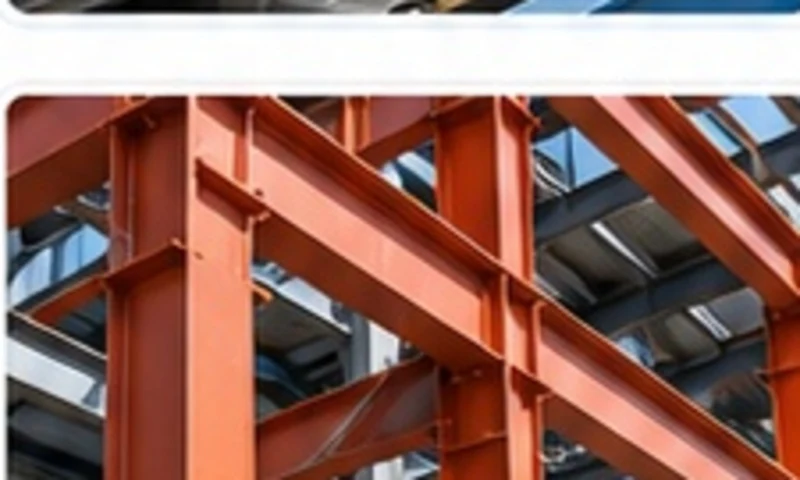
A snapshot of ISO 12944 corrosion protection application.

ISO 12944 corrosion protection

Multi-layer paint systems can be created according to project specifications and coatings can be applied for C3, C4, and C5 corrosivity conditions.

  • Surface preparation and surface profile control
  • Monitoring of environmental and climatic conditions
  • Layer-based application and target dry film thickness (DFT) control
Corrosion protection approach
A shot from fire protective paint application.

Fire protective coating

Water-based or solvent-based intumescent paint systems can be applied to steel supporting structures according to the fire resistance period required by the project.

  • Application based on DFT in the range of R30-R120 according to the target fire resistance
  • Thickness calculation based on the section factor
  • Primer, intumescent layer, and suitable topcoat work together
Fire protective coating

ISO 12944 corrosion protection classes

System selection is made according to environmental corrosivity, target durability, service conditions, and paint manufacturer's approved system.

Corrosion protection approach
C3 Moderate corrosion
Urban and mild industrial atmospheres, moderate humidity and pollution.
C4 High corrosion
Industrial and coastal areas, high humidity and pollution.
C5 Very high corrosion
Aggressive industrial and coastal atmospheres.

C3/C4/C5 are "atmospheric corrosivity categories", not a "paint brand". The final system is determined according to the project specification and approved paint system.

Quality control

Surface profile, environmental and climatic conditions, intercoat applications, dry film thickness, and final surface quality are checked during the application process.

Quality control and traceability
  1. 01 Surface profile and degree of cleanliness measurement
  2. 02 Air and surface temperature, relative humidity, dew point recording
  3. 03 Intercoat waiting time and surface cleanliness
  4. 04 Dry film thickness (DFT) per coat and total
  5. 05 Final surface quality, color, and contractual tests

Frequently asked questions

The most frequently asked questions during the quotation phase. If you cannot find what you are looking for, you can write directly.

The selection is made according to the service environment, corrosion level, chemical and mechanical loads, UV exposure, and project specifications. If you do not have specifications, a suitable system is recommended with information about the part and its usage environment.

These are atmospheric corrosivity categories within ISO 12944; they are not a paint brand or product name. C3 describes urban and light industrial environments, C4 describes industrial and coastal environments, and C5 describes aggressive industrial and coastal environments.

The number of coats is determined by the target corrosivity category, durability period, and approved paint system. Typical systems consist of a primer, intermediate coat, and topcoat; each coat is recorded separately.

Dry film thickness is measured using ISO 2808 methods, and ISO 19840 is used for acceptance assessment in steel structures. Measurement results are linked to the work order and reported in the delivery file.

Yes. Water-based or solvent-based intumescent systems are applied to steel supporting structures according to the fire resistance period requested by the project. The coating thickness is calculated based on the section factor and the target duration.

Let's determine the paint system together

Provide the service environment, target durability, and approved system if any; our technical team will recommend the appropriate coat structure and DFT target.

Example: 40 tons of steel construction, Sa 2½ blasting, zinc epoxy primer and polyurethane topcoat, total 240 µm.

  • Specification and drawing file can be attached
  • Unknown technical fields can be left blank
  • A reference number will be provided after submission