

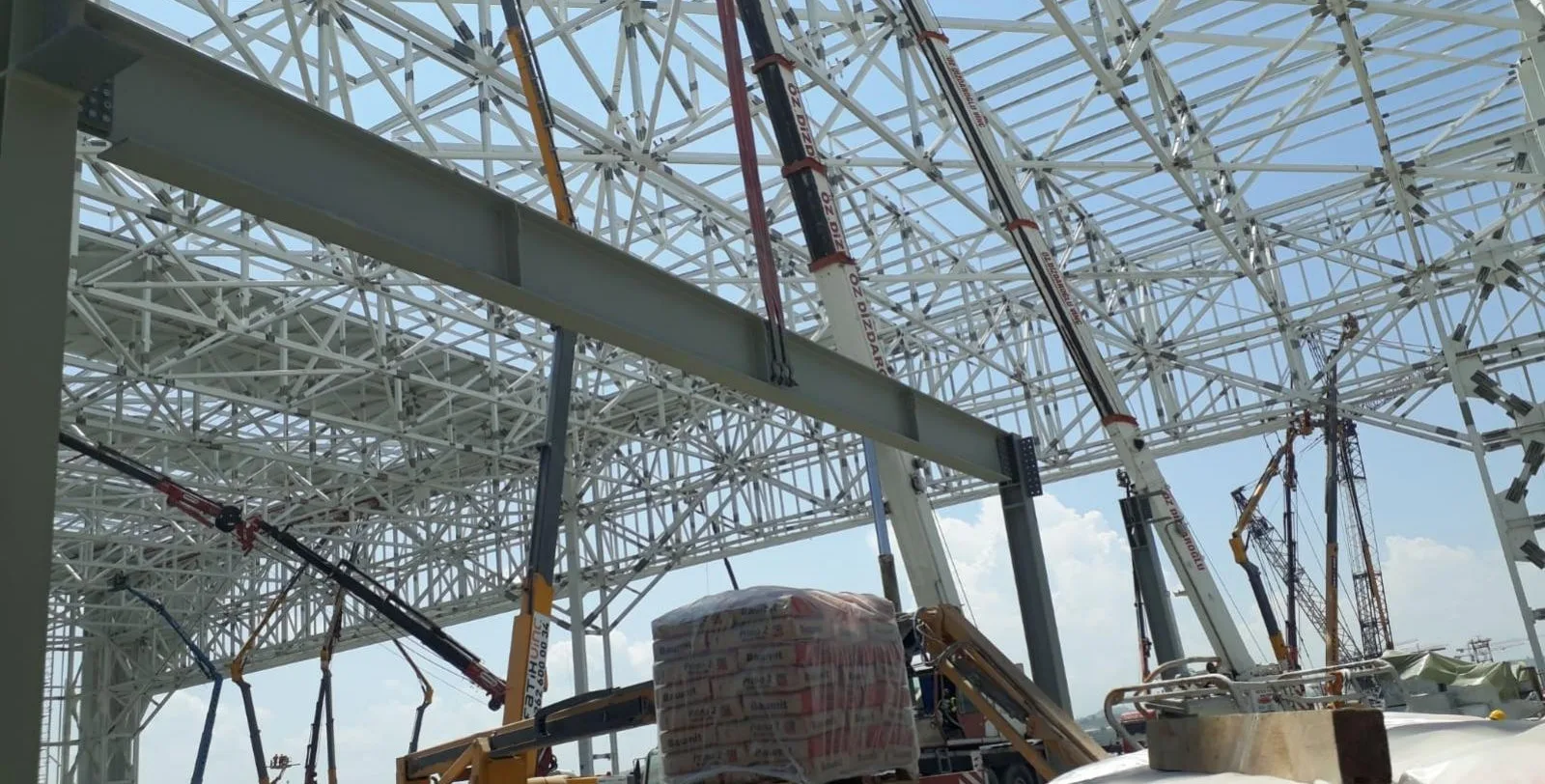
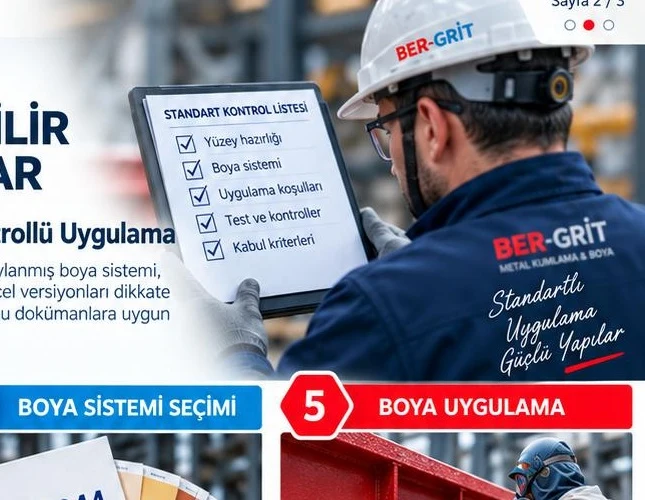
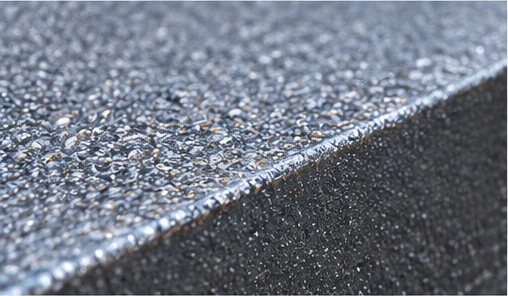
Grit blasting and surface cleaning
| Standard | What it regulates | How we apply | Report |
|---|---|---|---|
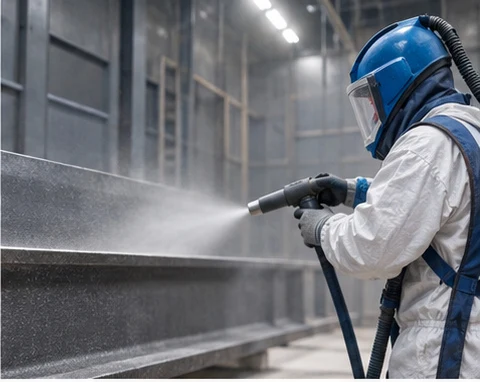
| ISO 8501-1 | Rust grades and preparation grades; visual acceptance levels such as Sa 2½, Sa 3, St 2, and St 3. | The grade requested in the specification is verified with a visual reference. | Grit blasting report |
| ISO 8504 | Surface preparation methods; selection of mechanical cleaning and scraping or blasting methods. | The automatic line or cabin route is determined according to the part geometry. | Work order |
| SSPC / NACE / AMPP | Equivalent preparation descriptions such as SP 5, SP 6, SP 10, and SP 11 if requested in the customer specification. | Applied by matching with the ISO equivalent. | Grit blasting report |
Profile, dust, salt, and climate
| Standard | What it regulates | How we apply | Report |
|---|---|---|---|
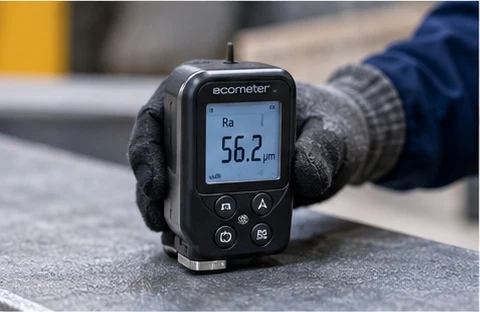
| ISO 8503 | Surface profile and roughness evaluation after grit blasting. | The target profile is measured by comparing it with the paint manufacturer's specification. | Blasting report |
| ISO 8502 | Dust, salt, chloride, surface contamination, and dew risk controls. | Pre-paint dust tape test, Bresle salt test, and climate measurements are performed. | Climate form |
| ASTM D4417 | Field measurement of surface profile if requested by the customer. | Applied as an additional measurement when requested. | Blasting report |
Abrasive material
| Standard | What it regulates | How we apply | Report |
|---|---|---|---|
| ISO 11124 / 11125 | Properties and test methods for metallic abrasives. | The type and mixture of abrasive used are tracked. | Operational record |
| ISO 11126 / 11127 | Properties and test methods for non-metallic abrasives. | The appropriate abrasive is selected according to project requirements. | Operational record |
| Operational control | Abrasive mixture, contamination, breakage, sieve analysis, and recovery tracking. | Operated with recovery and filtration in a closed system. | Operation record |

Pre-paint release
| Standard | What it regulates | How we apply | Report |
|---|---|---|---|
| Hold / Witness point | Customer or quality approval can be obtained according to the project ITP plan. | Painting is not started without surface approval after blasting. | ITP record |
| Flash rust control | Delay, humidity, and contamination after blasting are kept under control. | The surface is taken into the painting process as soon as possible. | Climate form |
| Reporting | Sa degree, profile, dust, and salt with climate records are linked to the work order. | All records are collected in a single file. | Delivery file |
Paint system selection
| Standard | What it regulates | How we apply | Report |
|---|---|---|---|
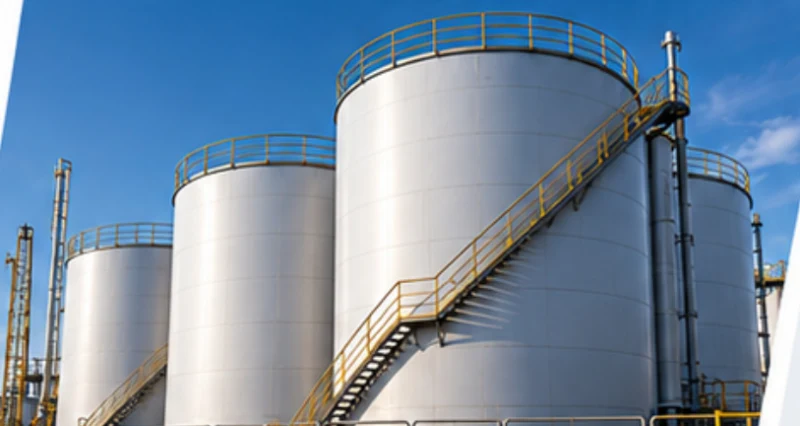
| ISO 12944 | Protective paint systems for steel structures; system selection according to corrosivity environments such as C3, C4, and C5. | Coating system and DFT are determined according to the corrosivity category. | System record |
| TDS / SDS | Mixing ratio, thinning, pot life, recoat, curing, occupational safety, and storage conditions. | Application parameters are set according to manufacturer's specifications. | Batch record |
| Fire protection | Manufacturer approval for intumescent systems, project fire resistance rating, and relevant EN or UL test documentation. | Thickness is calculated based on the section factor and critical temperature. | Fire file |
Coating application
| Standard | What it regulates | How we apply | Report |
|---|---|---|---|
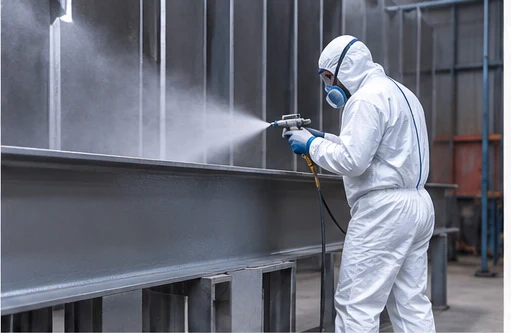
| ISO 12944-7 | Basic approach for the application and supervision of coating works on site or in the workshop. | Airless application is carried out under controlled climatic conditions. | Application record |
| Stripe coat | Pre-application on edges, welds, bolts, holes, and hard-to-reach areas according to specification. | Applied as a separate coat on critical details. | Application record |
| Climate and recoat | Record of surface temperature, relative humidity, dew point, and overcoating interval. | Climate is verified before each coat. | Climate form |
Film thickness
| Standard | What it regulates | How we apply | Report |
|---|---|---|---|
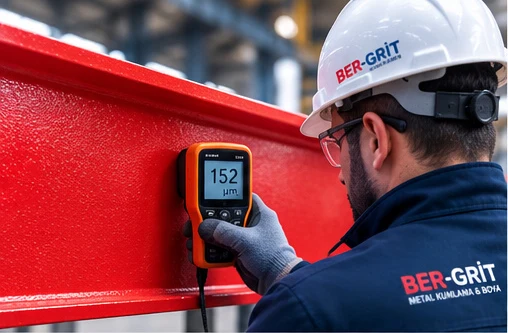
| ISO 2808 | Measurement of film thickness of paints and varnishes. | Wet and dry film thickness are measured on a coat basis. | WFT / DFT report |
| ISO 19840 | Measurement and acceptance evaluation of dry film thickness on steel structures. | Total DFT is evaluated according to the acceptance criteria. | WFT / DFT report |
| SSPC-PA 2 | DFT measurement frequency and acceptance method if required by customer specification. | Measurements are taken at the requested frequency. | WFT / DFT report |

Inspection and tests
| Standard | What it regulates | How we apply | Report |
|---|---|---|---|
| ISO 4624 / ASTM D4541 | Pull-off adhesion test. | Applied if required by contract or ITP. | Test report |
| ISO 2409 / ASTM D3359 | Cross-cut and tape adhesion assessment. | Used in appropriate systems. | Test report |
| ISO 4628 / ISO 2813 / ASTM D5162 | Specific checks such as surface defect, gloss, or holiday testing. | Selected according to project requirements. | Test report |
Two notes
This section shows the general family of standards; not every standard here is mandatory for your project. Each project is based on the contract, customer specification, paint manufacturer TDS and SDS documents, and current standard editions.
The tests to be applied and acceptance criteria must be clarified at the offer stage. Unnecessary tests increase costs; necessary tests strengthen quality assurance and customer acceptance.
Determination of test scope
When the list of standards in your specification is provided, it is evaluated which controls are necessary for the project and which ones unnecessarily increase the cost.
Get a QuoteFrequently asked questions
The most frequently asked questions during the quotation phase. If you cannot find what you are looking for, you can write directly.
For blasting and surface cleaning, ISO 8501 and ISO 8504 are used, for profile and contamination ISO 8503 and ISO 8502, for paint system selection ISO 12944, for film thickness ISO 2808 and ISO 19840 series are used. If the customer specification includes SSPC or NACE/AMPP definitions, they are applied by matching them.
Generally yes. The list of standards in the specification is reviewed at the quotation stage, and it is clarified which controls can be met. The contract, customer specification, and paint manufacturer's documents are taken as the basis in all cases.
Sa degree, surface profile, climate, and DFT measurement are a natural part of the application. Controls such as pull-off adhesion, cross-cut, holiday, and gloss are applied when required by the contract or ITP. Unnecessary tests increase costs.
This page shows the general standard family. For each project, the current standard edition, the contract, and the paint manufacturer's technical documents are taken as the basis.
They are not exactly the same but are commonly matched. Sa 3 is close to SP 5, Sa 2½ is close to SP 10, and Sa 2 is close to SP 6. The exact correspondence is determined by which standard is taken as the basis in the contract.
Let's clarify the scope of testing and acceptance at the offer stage
When the list of standards in your specification is provided, it is evaluated which controls are necessary for the project and which ones unnecessarily increase the cost.
- Specification and drawing file can be attached
- Unknown technical fields can be left blank
- A reference number will be provided after submission